
Every day is seeking to rise to the challenge, 'neath the shadow of the mighty Rockies.



Resources for Veterans and their Families Amid the COVID-19 Outbreak
No doubt about it: service members and their families are a breed apart. They are braver than most. But in the face of a global pandemic, even our nation’s best and bravest could use a little extra support. Because not only are we staring down one of the most significant public health threats we’ve seen in more than a century, but we’re also struggling with an economy ravaged by nationwide lockdowns. In the face of massive job losses, increasing economic hardship, and the threat of a second surge of the virus, veterans and their families are increasingly in need. But there are abundant resources available to protect the heroes who have devoted their lives to protecting us. Help With Housing Homelessness among … [Read more...]
How To Keep Your Children Engaged While Learning from Home
Learning from home can be a challenging task. It's hard to keep kids focused and interested in the midst of so many potential distractions. Whether you've had to take on the role of teacher due to the COVID-19 pandemic or for some other reason, making sure your kids get a quality education is a top priority. These useful homeschooling tips can help your child's experience be less stressful and more productive. Setting the Stage for Success To avoid potential frustration, it's important to reflect on your child's learning style as you plan. Some kids can absorb information easily through reading and written exercises, where others require a more hands-on approach. Knowing how your son or daughter learns will allow you to tailor your … [Read more...]

Decluttering Summer and Getting Ready for Fall
For many of us, autumn is a beloved season. There’s just something about the crisp air, sweet smell of decaying leaves, and overabundance of corn mazes that warms our hearts. And the transition into autumn is the perfect time to clean and organize our homes. After all, who wants to settle into sweater weather in a cluttered home? There’s a world of difference between cozy and crowded. It may sound strange (since there’s quite a bit of work involved in the process), but decluttering is actually a form of self-care — and it’s a great one to engage in during times of transition. Cleaning and organizing the house almost seems purifying in a weird sort of way, and it puts your brain in the right place to handle the hustle and bustle of the … [Read more...]
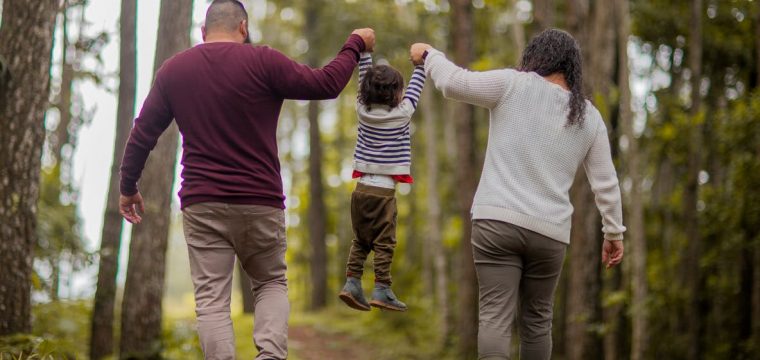
The Dangers Of Enabling Your Children
Few would argue with the fact that a parent, more than anyone else, should have their child’s best interests in mind. The fascinating thing is, this concern for offspring can manifest in a shocking variety of ways. Everything from old-fashioned “tough love” to excessive leniency can be interpreted as a parent trying to give their child the best life possible. In the 21st century, this overt desire to focus on the wellbeing of the younger generation has led to a common phenomenon: the “enabling parent.” Defining an “Enabling” Parent With so much variation in parenting styles, it’s important to begin with a quick rundown of just what an enabling parent looks like. While the term is flexible in nature — as are just about all … [Read more...]
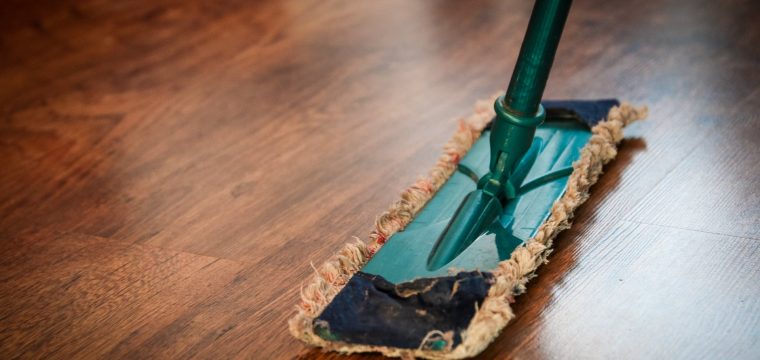
How To Organize and Freshen Up Your Home
Whether you’re working remotely, homeschooling your kids, taking some personal time to maintain work-life balance, or in between jobs, there are plenty of reasons to find yourself suddenly spending more time at home. The quarantines created by the COVID-19 pandemic in early 2020 served as a stark reminder of how difficult it can be to remain cooped up at home for weeks and months on end, especially if your home is a mess. If you’re dealing with a cluttered, unorganized, or otherwise disorderly homefront, here are a few suggestions for ways that you can strategically freshen up your spaces — particularly if you have a chunk of time on your hands with which to do so. Start By Stepping Back Slowing down is one of the best ways to … [Read more...]
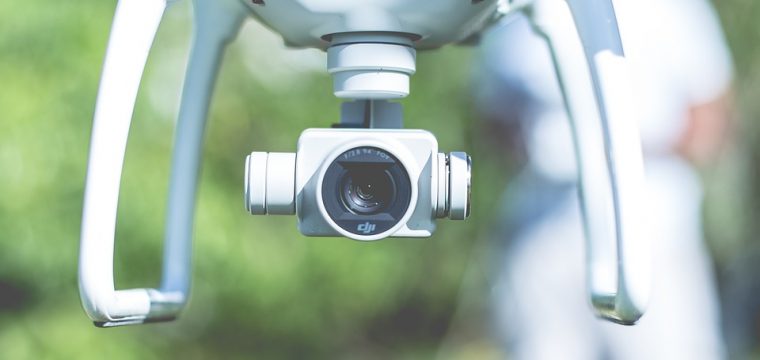
The Dangers of Surveillance in the Name of Safety
They’re everywhere. Mobile devices in every hand, cameras on every street, and hordes of eager consumers clamoring to claim the latest tech device. To be sure, technology has made our lives more convenient. Today’s tech is even being heralded as a frontline weapon in the war against the coronavirus. But at what cost? We See You Even before the outbreak of COVID-19, big data was using the latest tech to gradually erode personal privacy. In recent years, millions of camera-equipped drones have taken to the sky. On the ground, video surveillance systems, from doorbell cameras to streetcorner CCTVs, are getting to be about as ubiquitous as pimples on a teenager. And that means that when you leave your house, you’re almost … [Read more...]

Boost Your Teen’s Self-Esteem: Encourage When It’s Needed Most
Whether it comes through observing a teen hanging their head at a social gathering, hearing them disparage their ability to do their homework, or noticing them excessively bragging to cover up insecurities, every parent has that moment when they realize their teenager is struggling with low self-esteem. If you’re familiar with the feeling, here are a few tips and suggestions for different ways to approach boosting your fledgling adult’s self-confidence. Encourage the Journey, Not the Destination One of the biggest ways that a parent can suppress and discourage their child is simply by putting unreasonable expectations on them. Start by stepping back and analyzing your own posture towards your child. Are you always pushing them to … [Read more...]
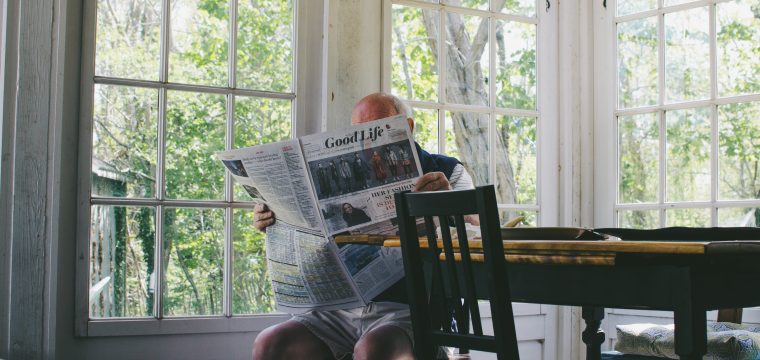
How to Ensure the Elderly Are Taken Care of During Social Isolation
The coronavirus pandemic has changed the way of living for nearly everyone in the country (and around the world). Currently, 95% of Americans are under some kind of stay-at-home order. The goal of these lockdowns is to flatten the curve and stop the spread of the virus while giving healthcare workers a chance to catch or keep up with those already infected. Unfortunately, seniors have been identified as being more susceptible to Coronavirus. According to the Centers for Disease Control, 80% of the deaths caused by COVID-19 so far have been people over the age of 65. It’s incredibly important that the elderly stay home and away from others who might carry the disease. But if someone you know and care about is older, they … [Read more...]
How to Make the Most of Spring Break Staycation With Your Family
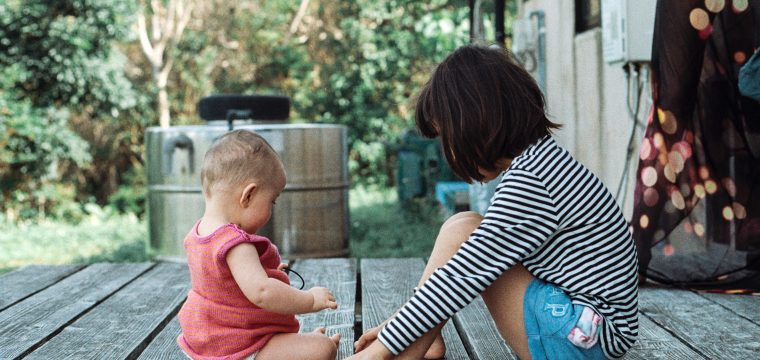
Spring break is typically the perfect time for a family vacation. After being cooped up all winter, it’s normal to want to head out on a road trip, or fly somewhere tropical, or take a cruise. Traveling is actually important, and it can have a positive impact on your physical and mental health. Unfortunately, this year is a bit different for most families — not just in the U.S., but around the globe. The coronavirus pandemic has created a new way of life for many people. Schools across the country have closed with some choosing to stay closed for the remainder of the year, impacting over 55 million students. Travel has also been impacted thanks to the CDC’s recommendation to practice “social distancing.” Many states … [Read more...]

How to Help a Friend in Need
Everyone has a friend in need at one time or another. The widespread panic and quarantining of the coronavirus in early 2020 is a perfect example of a time when individuals that are hurting or scared simply need help. This help can come in a variety of different ways including providing emotional, and even physical support, depending on the situation. If you have a friend in need, here are some suggestions and considerations for how you can go about advocating for your loved ones. Always Put Yourself in Their Shoes First When you hear that someone is hurting, it’s often tempting to rush off and “help” them as soon as possible. This help typically revolves around what you think you would want in a similar scenario. Instead, … [Read more...]